Showing posts with label Home Design Ideas. Show all posts

Thursday, January 28, 2021

Mortgages vs Home Equity Loans: Whats the Difference?

Founded in 1976, Bankrate has a long track record of helping people make smart financial choices. We’ve maintained this reputation for over four decades by demystifying the financial decision-making process and giving people confidence in which actions to take next. She has more than 30 years’ experience as a writer and editor for newspapers, magazines and online publications.

A home equity loan is an unsecured personal loan, so generally that means you can’t take a tax deduction on any interest you paid. One exception is if you can prove to the IRS that you used the home improvement loan to upgrade your home for business purposes. When you take out a home equity loan, the amount you pay for closing costs is typically between 2% and 5% of the loan amount. This means that if you borrow $100,000, your closing costs will likely range between $2,000 and $5,000. Closing costs include things such as the application fee, the appraisal fee, and the cost of the title search.

Buying your first home? Everything to know about mortgage credit certificates

The right choice depends on factors including your financial need and budget. Certain types of finance are not regulated, such as bridging loans. On the other hand, using a home improvement loan will be separate from your existing mortgage and you won’t be paying it off. DIY projects are a bit looser, so they are less dependable for lenders. The quality of work is not as consistent, nor are the timelines – so if DIY is your direction, you want to think of other options than the 203 for the financing.

home improvement loan vs mortgage

The helpfulness of a financial advisor's answer is not indicative of future advisor performance. A loan is a binding contract, and most states won’t let you enter into a binding contract unless you are at least 18. If supplies arrive late or your contractor encounters an unexpected issue, your project can stretch on for weeks longer than you anticipated. If you’re renovating a bedroom, it could mean more time in a rental while you wait to move back in. If you borrow against your home equity to renovate your home, you can do pretty much any project you want, but you should consider whether the project will add to your home value.

Find Out What You Qualify For

The home being financed and rehabbed must be at least one year old, and the rehab efforts must be a minimum of $5000. The total value for the property must fall within the FHA mortgage limits for that specific area. There are several advantages of taking a home improvement loan over a remortgage. So, when considering a home improvement loan vs. remortgage, here are some factors to consider. Personal bank loan – If you have no mortgage, not a member of a Credit Union and looking for a small loan. Opinions expressed here are the author’s and/or WalletHub editors'.

For example, the SBA will guarantee up to 75 percent of a $500,000 loan. The guarantee fee of 3 percent would be assessed on the guaranteed portion ($375,000), resulting in a total fee of $11,250. The SBA charges a guarantee fee between 0.25 percent to 3.5 percent of the guaranteed portion of your SBA 7 loan. If you have 100% equity in your home, meaning you own it outright, a home equity loan is not a second mortgage. Fees may be payable depending on your final choice of financial product.

Home Loan vs. mortgage loan

In contrast, you can apply for a home improvement loan and receive a response in a matter of days. Instead, it may begin debt collection, make negative filings on your credit report, and file a lawsuit against you. Marianne Bonner, a certified CPCU and ARM, has covered small business insurance topics for The Balance since 2013. She worked in the insurance industry for 30 years as an analyst and underwriter among other roles and holds multiple professional designations. Along with The Balance, Marianne has written many articles for International Risk Management Institute's Risk Report.

home improvement loan vs mortgage

Pay attention to the total amount you would have put into the home after the work is done, relative to an appraiser’s estimate of the total after-project value. Include closing costs, including recording fees, appraisal fees and origination fees. Home equity loans come with fixed interest rates and payment amounts that remain the same for the life of the loan.

Aly J. Yale is a writer and journalist from Houston, specializing in mortgage, real estate, and personal finance topics. Her work has been published in Forbes, The Balance, Bankrate, The Simple Dollar, and more. Once you decide which is best, check out our guides to the best home equity loans and best HELOC rates to start the process.

home improvement loan vs mortgage

A home equity loan involves closing costs, while a home improvement loan generally doesn’t. Most home improvement loans have a term of two to five years, but some lenders will provide up to 10 years. Home equity loans typically have a term of five to 20 years but occasionally extend to 30 years.

Closing Costs

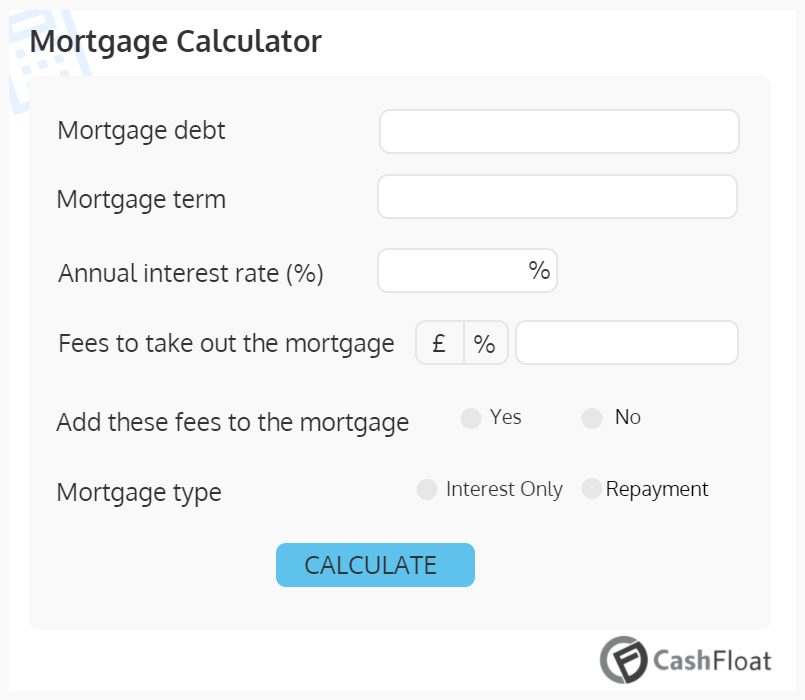
A mortgage calculator can help you determine what effect the size of your down payment will have on your monthly payments. In order to take out a mortgage, you’ll typically need to make a down payment equal to a percentage of the purchase price. Your down payment is the portion of the cost of the home that you aren’t financing and provides immediate equity in the property. As with anything in life, it pays to compare all your options. Compare loan types, rates, and terms carefully to find the best loan for home improvements. FHA 203 rehab loans are great when you’re buying a fixer-upper and know you’ll need funding for home improvement projects right away.
home improvement loan vs mortgage

We’re transparent about how we are able to bring quality content, competitive rates, and useful tools to you by explaining how we make money. Our experts have been helping you master your money for over four decades. We continually strive to provide consumers with the expert advice and tools needed to succeed throughout life’s financial journey. All of our content is authored by highly qualified professionals and edited by subject matter experts, who ensure everything we publish is objective, accurate and trustworthy.

Generally speaking, home equity loans have lower interest rates and longer repayment terms than home improvement loans. For these reasons, a home equity loan may be better for larger home remodels, while a home improvement loan may be the way to go for smaller, lower-cost projects. With a HELOC, you have a “draw period” during which you can make withdrawals from your credit line. Once the draw period ends, you enter a “repayment period,” a period of time during which you must pay back the loan and any accrued interest. HELOCs often have variable interest rates, which means they can fluctuate over the life of the loan. By contrast, most home equity loans come with fixed interest rates.

May feature lower interest rates and shorter repayment terms than conventional improvement loans. If you don’t have enough cash to finance renovations or repairs, a home renovation loan is worth considering. It’s also worth pursuing if you have your eye on a home that has a low asking price but needs serious work. Bankrate follows a strict editorial policy, so you can trust that our content is honest and accurate.

Home Improvement Loan or Remortgage: Which is Better for You?

Home improvement loans let you finance the cost of upgrades and repairs to your home. That being said, the SBA does set a maximum rate lenders can charge. For fixed-rate SBA 7 loans, the maximum is the prime rate plus a set interest rate. For variable-rate loans, the maximum is the base rate plus a set interest rate determined by the loan’s maturity date. Because another lien takes precedence, lenders could be on the hook for significant losses should you stop making payments.

home improvement loan vs mortgage

Most home renovation loans require the borrower to have a certain amount of equity in the home, though personal loans usually do not. Most lenders prefer your debt-to-income ratio to be below 43%. Applying for a home equity loan requires a lot of paperwork as it’s similar to a mortgage.

SBA loan fees

If you have no mortgage on your home, and your home improvements will cost less than €50,000, this may be your only option. Personal bank loans are relatively fast to approve once you have a good credit history. Interest Rates can range between 10-14% per annum for a personal loan depending on the amount and repayment term. If you fail to pay back your home equity loan, it’s possible the lender could foreclose on your house.

home improvement loan vs mortgage

Due to this added risk, you can expect stricter eligibility requirements for most second-lien loans, such as higher credit score minimums. Remortgaging is when you swap your existing residential mortgage for a new one. Most people remortgage for better repayment terms, predominantly for lower interest rates. This works by taking out a new mortgage that borrows an equal amount of your existing mortgage balance. This money pays off the first mortgage leaving you with the new mortgage only. Some lenders offer excellent interest rates for remortgage clients although you may have to prove your income and that the loan is affordable to you.

Securing a personal loan is easier and faster

These loans are also backed by the government, which means you’ll get special benefits — like a low down payment and the ability to apply with a less-than-perfect credit profile. Keep in mind that cash-out refinances have higher closing costs — and they apply to the entire loan amount, not just the cash-back. So you’ll likely need to find an interest rate that’s significantly lower than your current one to make this strategy worth it. You should compare costs over the life of the loan, including closing costs. That means looking at the total cost of the new loan versus the cost of keeping your current mortgage for its life.

home improvement loan vs mortgage

Interest rate incentives for utilizing Auto Pay may not be combined with certain private student loan repayment programs that also offer an interest rate reduction. A cash-out refinance may make sense if you’re using the loan for a specific purpose, such as home improvements or to pay off high-interest debt. Additionally, if you’re able to get a lower interest rate than your current mortgage, a cash-out refinance may be worth considering. Home equity loan terms tend to be around 15 years, but can range from five to 30 years. Rates for these loans currently hover around 6-7%, the average rate being 6.98% in 2022.

Personal loan

Bankrate.com does not include all companies or all available products. When considering renovations, keep in mind that the total cost will probably involve more than just labor and materials. The total often includes fees for architectural and engineering services, inspections and permits, and potentially having to put up a contingency reserve of 10 percent.

Read our editorial process to learn more about how we fact-check and keep our content accurate, reliable, and trustworthy. If you apply for an unsecured home improvement loan, the maximum amount you can borrow might be low, such as $20,000. Another difference between home equity loans and home improvement loans is the loan amount.

Know how much equity you currently have

You’ll need to prove your creditworthiness — in fact, you’d better start gathering your past two years of financial documents if this type of loan is your first choice. Like a traditional mortgage, a home equity loan is an installment loan repaid over a fixed term. Different lenders have different standards as to what percentage of a home’s equity they are willing to lend, and the borrower’s credit rating helps to inform this decision. For example, if you owe $150,000 on a home valued at $250,000, you have $100,000 in equity.

Founded in 1976, Bankrate has a long track record of helping people make smart financial choices. We’ve maintained this reputation for over four decades by demystifying the financial decision-making process and giving people confidence in which actions to take next. She has more than 30 years’ experience as a writer and editor for newspapers, magazines and online publications.

Mortgages and Home Equity Loans: An Overview

Editorial and user-generated content is not provided, reviewed or endorsed by any company. Bankrate is compensated in exchange for featured placement of sponsored products and services, or your clicking on links posted on this website. This compensation may impact how, where and in what order products appear.

home improvement loan vs mortgage

Be prepared to verify your income and financial information with documentation. This includes pay stubs, W-2s (or 1099s if you’re self-employed), and bank statements, to name a few. On the other hand, this type of loan can take longer to close.

The difference is that, since you’re tapping into your home’s equity, the amount you’ll owe will actually increase. However, the lender will consider your credit history, and outstanding debts, including your mortgage to ensure you can repay the loan. Some lenders won’t provide a loan unless the value of your home exceeds your outstanding mortgage.

Mortgage vs Home Improvement Loan : homeowners

But personal loans are more accessible than HELOCs or home equity loans for some borrowers. If you don’t have much equity in your home to borrow against, a personal loan can be an option to pay for home renovations. There are two types of home improvement loans, namely an unsecured home improvement loan and a secured home improvement loan. Unsecured loans do not list assets as collateral within the credit agreement while home improvement loans typically use the property or home equity as collateral. This means the lender has an automatic right to force the sale of the asset if you fail to repay. The main difference between these two lending products, is the disbursement of funds and the repayment period.

home improvement loan vs mortgage

A remortgage involves you switching your entire mortgage from one lender to another. As part of this process you can also raise additional funds to undertake home improvements. The survey found that the most popular home improvement was to redecorate, with 67 per cent of those questioned planning to spend an average of £1,326 on internal redecoration.

Why is a home loan called a mortgage?

If you’re looking to renovate your existing home, take a look at your monthly mortgage statement to understand how much equity you have accrued. Typically have higher interest rates than home equity loans and HELOCS . You can use the money to pay off debt, fund a child’s higher education, or for other purposes that may improve your financial health.

It is released when the entire loan is repaid in the form of monthly instalments by the borrower. If the borrower is unable to repay the loan and goes bankrupt, the lender has the right to liquidate the house to recover the pending dues. Look for any benefits, such as rate discounts a lender might provide for enrolling in autopay. Also keep an eye out for disadvantages, including minimum loan amounts or expensive late payment fees.

Documents needed to get mortgage loans in India

We recommend that you review the privacy policy of the site you are entering. SoFi does not guarantee or endorse the products, information or recommendations provided in any third party website. Meet our panel of SoFi Members who provide invaluable feedback across all our products and services.

home improvement loan vs mortgage

Obviously, home equity products require a build-up of equity to tap into. If you are living in your home and wish to upgrade it, it would make sense to compare equity products to the 203 and other HUD options. Home equity loans might carry lower interest rates than a HELOC, but the HELOC allows you to only borrow on what you need/use. For example, fire safety measures are allowed up to $50,000 in secured loans, while other issues standard have a cap of $25,000 in secured loans for a nonresidential property. Historic preservation for residential dwelling is another upgrade covered by Title 1 Property Improvement loans.

Know how much equity you currently have

The type of work you need to accomplish, and who will be performing it is also a consideration to weigh-in. DIY projects are usually not going to be the best ones for 203 loans, because the FHA requirements will stipulate professional contractors, adhering to plans and timelines. The Federal Housing Administration backs the 203 loan program. This is a program designed to help individuals combine the purchase of a home with the costs of its rehabilitation, or to simply cover the costs of renovations to an existing home. This tool estimates how much equity you have built up in your home.

home improvement loan vs mortgage

Plus, you’ll likely pay interest rates that are much higher than those charged by home improvement loans. Another popular way to get money for a home remodeling project is a cash-out refinance. With this option, you refinance to a new mortgage loan with a bigger balance than what you currently owe. Then you pay off your existing mortgage and keep the remaining cash. Unlike a cash-out refinance, a home equity loan does not pay off your existing mortgage. If you already have a mortgage, you’d continue making its monthly payments, while also making payments on your new home equity loan.

Still, Meyer cautions that personal loans are the “least advisable” option for homeowners. So while there is a maximum rate based on how much you borrow and whether you opt for a variable or fixed interest rate, the actual rate you receive can vary widely. The type of SBA loan you apply for, the lender you work with and your business and finances will all influence your rates. These loans are more competitive and have a set maximum interest rate, although the exact rate you pay will depend on your lender and how much your business needs to borrow.

home improvement loan vs mortgage

You could always finance some or all of your remodeling cost with plastic, too. This is the quickest and simplest financing option for a home improvement project. After all, you won’t even need to fill out a loan application.

Mortgages and Home Equity Loans: An Overview

We list current HELOC & home equity loan rates to help you perform your calculations and find a local lender. An option for those who can’t or don’t want to tap home equity is a personal loan from a bank, credit union or online lender. Unlike a refi or home equity loan, a personal loan is unsecured, so you don’t have to use your home or any other asset as collateral.

Further conditions will apply and calls are recorded for your protection. Full details will be discussed prior to entering into any loan agreement and alternative options may be offered, if considered to be in your best interest. ImprovementLoans.co.uk partners are all authorised and regulated by the Financial Conduct Authority and comply with their rules and principles of business. Firstly, you may be benefiting from an excellent current deal on your main mortgage. You may have a low fixed or discounted rate and you may be tied into this deal for several years.

By remortgaging, you would lose this deal and you may have to pay ‘early repayment charges’ to your current mortgage lender. By taking out a home improvement loan, you can continue to benefit from your existing mortgage deal without paying any penalties. Switching your mortgage to a new lender can secure a larger mortgage amount, i.e. equity release. Lenders usually send the funds as a direct deposit to a bank account. Certain types of loans, such as ones where you provide collateral, may not require you to have a bank account. Home equity loans, on the other hand, don’t really have an upper limit.

home improvement loan vs mortgage

Home Equity Loan vs Home Improvement Loan: Whats the Difference?

Most personal loans are unsecured, meaning you won’t have to offer your home as collateral. Can use the refinance to fund home improvement projects, consolidate high-interest credit cards, or a variety of other purposes. The loan money goes into a separate escrow account that’s used to pay contractors. Borrowers do not have access to those funds as they would with a home equity loan or cash-out refinance.

home improvement loan vs mortgage

A HELOC may be better if you need access to funds for an extended period . Any mortgage on top of that—including home equity loans and HELOCs—is a second-lien mortgage. The home equity lender is second in line if you fail to repay your loan.

Term and Interest Rate

Christina Majaski writes and edits finance, credit cards, and travel content. She has 14+ years of experience with print and digital publications. These articles, the information therein and their other contents are for information purposes only. All views and/or recommendations are those of the concerned author personally and made purely for information purposes. Your interest rate will depend on the type and size of your loan, your down payment, and your financial history, such as your credit score. “Home loan” is an umbrella term that covers a wide variety of mortgages, home equity loans, and home refinances.

It is released when the entire loan is repaid in the form of monthly instalments by the borrower. If the borrower is unable to repay the loan and goes bankrupt, the lender has the right to liquidate the house to recover the pending dues. Look for any benefits, such as rate discounts a lender might provide for enrolling in autopay. Also keep an eye out for disadvantages, including minimum loan amounts or expensive late payment fees.

When a Home Improvement Loan May Be Better

When you’re on the hunt for a loan to spruce up your space, home equity and home improvement loans aren’t the only options. The average kitchen remodel, for example, cost $25,656 in 2022, according to home improvement guru Bob Vila. Other parts of the home cost about half that, but these expenses can add up — particularly if you’re remodeling an entire house. A home improvement loan may make sense when your project is small, you lack sufficient equity to get a home equity loan, or you need the funds right away. For instance, you might consider a home improvement loan if you need $10,000 to update a bathroom. A home equity loan may be a better option when your project is sizable (such as a $50,000 home remodel), you have adequate equity in your home, and you can wait a month or so for the funds.

home improvement loan vs mortgage

Also, it’s important to have a realistic idea of project costs and get the right type of loan, with the best rate you can qualify for and a payment that fits your budget. If you have a lot of equity in your home, a HELOC or home equity loan might be best. Or, you might use a cash-out refinance for home improvements if you can also lower your interest rate or shorten your current loan term. Those without equity or refinance options might use a personal loan or credit cards to fund home improvements instead.

Home Improvement Loan vs. Remortgage - Which is Better for You?

Everyone’s financial situation and needs are unique, so consult a loan officer about which option best suits your needs. Many people choose to take out home equity loans to make home improvements. That can increase the value of your home, putting you ahead if you ever choose to sell. The best home improvement loan will match your specific needs and your unique situation. To access comparethemarket.com please complete the security check to prove you are human. Limited who is authorised and regulated by the Financial Conduct Authority and is classed as an insurance broker.

home improvement loan vs mortgage

A home equity loan will disburse the funds in a single lump sum. A HELOC allows the borrower a specified draw period, during which he/she can withdraw up to a set amount, followed by a repayment period, where the borrowed funds are repaid. Credit Unions typically change a lot less and may give better repayment conditions. Credit Unions in Ireland cannot exceed 12% APR on personal loans. For credit unions in the Republic of Ireland with a dedicated home improvement loan rate, the average loan rate was 7.7% APR and the lowest rate was 4.33% APR .

Lenders will also look at plenty of other factors when you apply, including your existing debt, employment status and housing payments. It’s useful to note that there are several alternatives to using either a home equity loan or a personal loan. You can think of it as a giant credit card that’s secured by your house. You can reduce the amount of your debt by paying off high-interest credit card debt with a lower-interest personal loan. However, if you’re taking out a personal loan to pay for a large expense, you’ll increase your debt load, making it harder to qualify for credit products later on. Use Bankrate’s personal loan calculator to see how much a personal loan might cost you in interest.

Another option is to use a home equity loan, which we discuss towards the end of our guide. Loans Warehouse is an award winning service that will help find the right loan for you. The Federal Reserve has started to taper their bond buying program.

What is the difference between a home improvement loan and a home equity loan?

The payback period for a personal loan is less flexible, often two to five years. Because a personal loan is unsecured, you won’t use your home as collateral. That means these loans can be obtained much faster than HELOCs or home equity lines of credit. In some cases, you may be able to get loan funding on the next business day or even same-day funding. The money you receive from a cash-out refinance comes from your home equity. It can be used to fund home improvements, although there are no rules that say cash-out funds must be used for this loan purpose.

After that debt is settled, your home equity lender could use any remaining proceeds to pay off the balance. These loans typically have closing costs attached to them, which can be an added expense at the end of the loan term that is not always applied to home improvement loans. Looking at the various interest rates is important, but you should also consider any other fees and charges. One of the biggest to consider when choosing to remortgage are early repayment charges on the first mortgage. If you pay off the first mortgage with a new mortgage early, that lender could charge you a significant amount as a type of penalty.

Which is a cheaper source of financing, home loan or mortgage loan?

Because of this, home equity loans are riskier for borrowers than personal loans for home improvement. “The problem with doing that is when you don’t have the equity in your home to pull out that cash. Interest rates are usually lower for personal loans than credit cards.

home improvement loan vs mortgage

If you have no mortgage or looking for a small loan, i.e. under €20,000, Credit Union personal loan. If you are looking at doing an extension or big house improvements, you might look into a remortgage as the interest rates will be much lower. But if you’re unemployed you’ll need a strong alternative source of income, such as a pension, government benefits or investments. Home improvement loans are better if you don’t want to put your home at risk, you have little equity in your home, or you need funding quickly.

APS Window & Gutter Cleaning in Charlotte, NC

Table Of Content Does Clean Pro Gutter Cleaning Offer Discounts? We also have gutter repair companies in: How do I arrange a Gutter Cleaning...